

Write down what your coordinator carries in their head
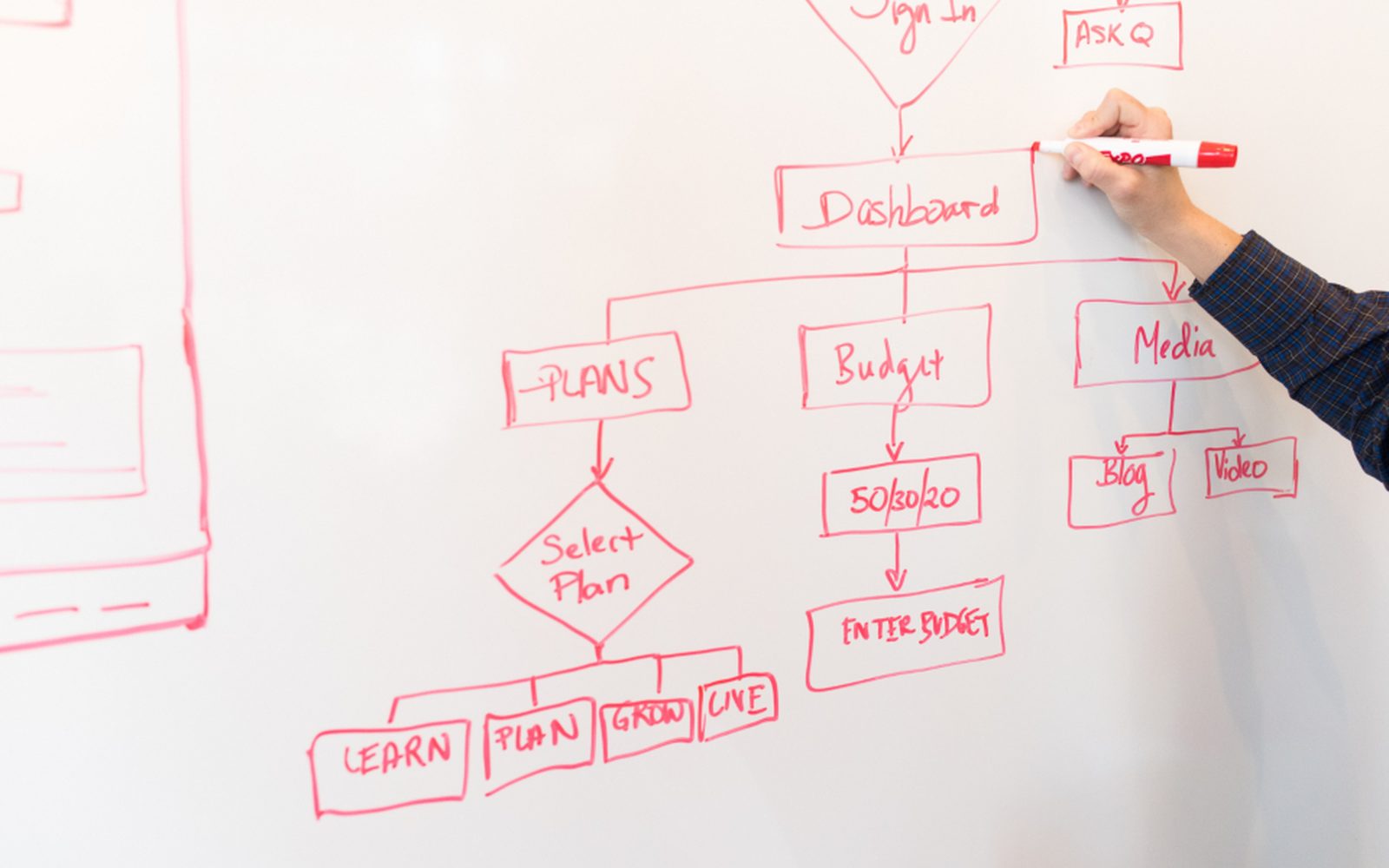
In a small charity, one coordinator often knows how everything works. The roster, the funder reports, the donor list, and which volunteer has the shed key. If they're sick or leave, the charity stalls. We sit with your team and map how the main jobs run, step by step, then mark which ones eat paid hours. The map is useful on its own as a handover, and it shows where AI can help first.
Get your AI Starter Plan
What we map in a small charity
Volunteers
Recruitment, induction, rosters, and the messages that keep people coming back.
Funders and grants
Applications, data collection, and reports, with the time each one takes every quarter.
Donors and members
Donations, receipts, thank-yous, renewals, and newsletters.
Governance
Board papers, minutes, and the yearly reporting that a committee depends on.
When one person holds it all
Small charities often run on one person’s memory. The coordinator knows which volunteer spreadsheet uses which column, which funder wants hours and which wants meals, and who to ring when the van breaks down. It works until they take leave, get sick, or move on. Then the charity finds out how much was never written down.
How we map it
Mapping how you work (the industry calls it process mapping) means writing down each step of a job, who does it, which tool it happens in, and how long it really takes. For a charity, we usually map the volunteer roster, the main funder report, and the donor cycle. We talk with the coordinator and a few volunteers, look at the spreadsheets and inboxes, and write it up in plain words. Then we mark the steps that repeat, the ones that wait on someone, and the ones that only a person should do.
What mapping found in two charities
We work with a community food relief charity where the costly job was the quarterly funder report, which took the coordinator close to a week. An AI helper now fills in the totals from three volunteer spreadsheets, and the first draft takes about a day. We also work with an animal rescue with one paid coordinator and 45 volunteers where the costly job was the weekly roster, which now takes an hour instead of an evening. In both, the coordinator still checks and decides.
Where a map ends
A map shows today, and it won’t change anything on its own. It also needs the honest version, including the steps that only work because one volunteer stays late. If it only shows the official process, AI gets pointed at the wrong job.
If your charity runs on one person’s memory, get your AI Starter Plan. It’s the quickest first map.
Related
Read about our Mapping how you work service, and how we help small teams in not-for-profits.


Common questions
Our coordinator knows how it all works. Why map it?
Can volunteers help with mapping?
Do we keep the map?
What does it cost?
Will it suggest automating work with clients?
Start with a map of your busiest job
Talk us through the job that takes your paid staff the longest. Get your AI Starter Plan and you'll see where the time goes.
Get your AI Starter Plan