

Skip to content
Home› Industries›Marketing and creative agencies
Industries we work with

AI for small marketing and creative agencies

AI for small marketing and creative agencies
Where to start

Where AI helps in marketing and creative agencies

A small agency sells ideas, but a lot of its week goes on telling clients what happened. AI can draft the weekly updates and monthly reports from the work your team already logged. We work with a four-person social media agency whose 18 monthly client reports took two full days a month and now take half a day. The account lead still writes the strategy notes, because that's what clients pay for.

Get your AI Starter Plan

Your clients want to know what happened this week

Small agencies win work on ideas and keep it on communication. Every retainer client expects an update, every month ends in a report, and every report starts with copying numbers out of one app and into another. The people who should be doing the creative work end up doing the admin.

We work with Saltbush Studio, a six-person design agency in Fremantle. The studio sends a status update to each of its twelve retainer clients every Friday. The director used to write all twelve by hand, and it took most of Friday afternoon.

Where your week goes

For most agencies, it’s the reporting. Weekly updates, monthly reports, and end-of-campaign wrap-ups all follow the same shape, and they all need numbers pulled from Meta, Instagram, Google, or your project board.

Then there’s the first-draft work. Briefs, captions, and campaign copy all start from notes your team already wrote somewhere else. It adds up to hours that nobody bills.

Why buying a tool alone falls short

Most reporting apps can show the numbers. They can’t tell the client why the numbers moved, and a free AI app that writes the why without your context will make something up. Clients notice.

What works is giving the AI helper a clean source and a clear job. We connect it to your project board or your reporting data, write instructions in your agency’s voice, and leave the advice to your people. You can read how we think about this in our approach.
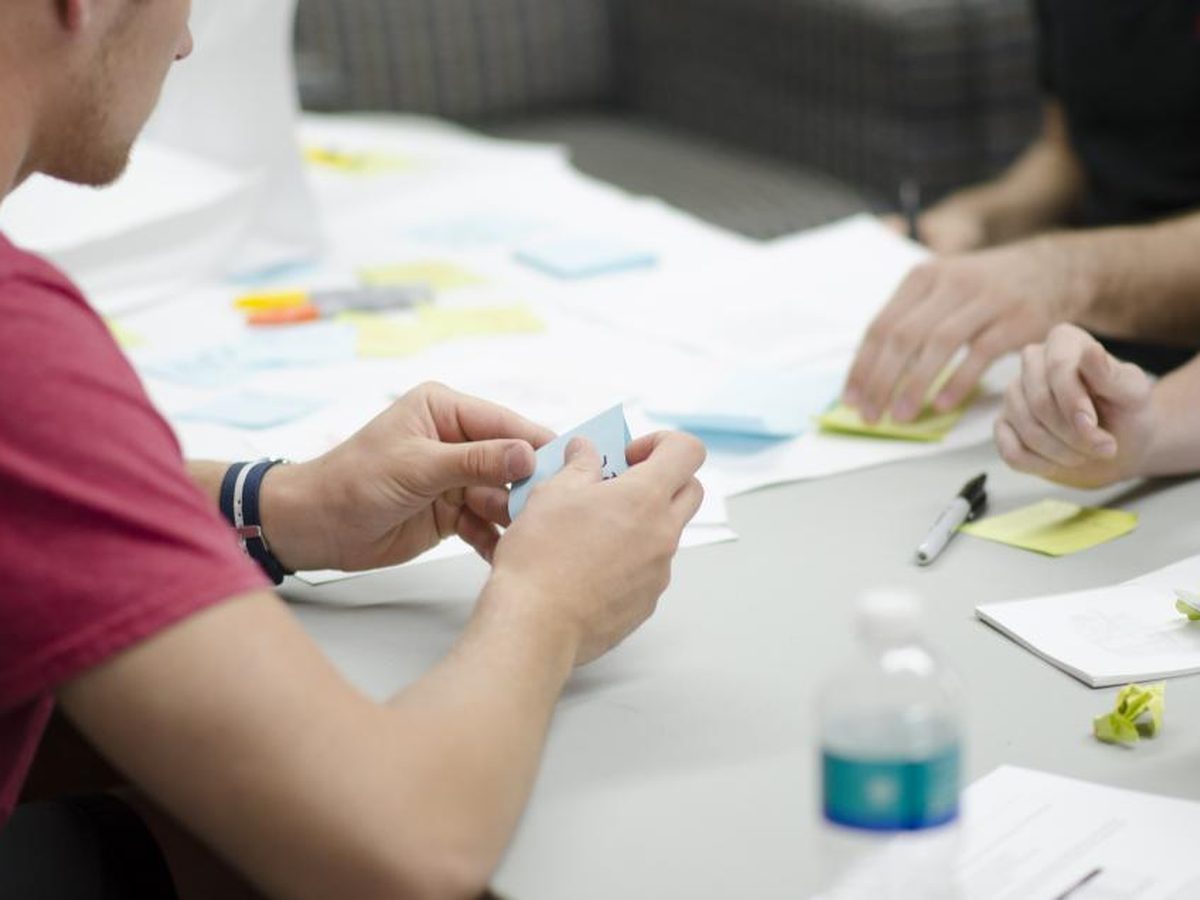
An agency account lead adding strategy notes to an AI-drafted monthly client report

How we build it

We map how a client job moves through your studio, then set up one AI helper for the job that eats the most unbilled time.

For Saltbush Studio, that’s the Friday update. The AI helper reads the week’s tasks in the project board and drafts one update per client: what got done, what’s next, and what the studio needs from them. The director reads each draft, adds a personal line, and sends it. The twelve updates now take under an hour.

For a four-person social media agency, it’s the monthly report. They built 18 reports by hand from Meta and Instagram numbers, and it took two full days a month. Now the reports pull the numbers and draft the commentary, and it takes half a day. The account lead still writes the strategy notes.

Rules that apply to you

Your clients trust you with their accounts, their numbers, and sometimes their customers’ details. We keep that data in the tools you already control, give the AI helper access only to what each job needs, and a person reads every draft before a client sees it.

What good looks like

Good looks like client updates and reports that are drafted before you sit down to write them, so your team spends its hours on the work clients hired you for. Read the full stories from Saltbush Studio and the social media agency, or see AI helpers and reports that write themselves.

See it applied elsewhere

The same setup works for real estate, coaching and online education, and not-for-profits. When you’re ready, get your AI Starter Plan or look at our packages.


What we set up

How we help agencies

01

Client updates from your project board

An AI helper (the industry calls it an agent) that reads the week's tasks in Asana or your project board and drafts one update per client covering what got done, what's next, and what you need from them.

02

Monthly reports that write themselves

Reports that pull the numbers from Meta and Instagram and draft the commentary, so your team spends its time on the advice, not the copying and pasting.

03

Briefs and first drafts

Drafted briefs, captions, and campaign copy from your notes and the client's style guide, ready for your team to make good.

04

Connecting your tools

Moving information between your project board, Google Workspace, and your reporting tools (the industry calls these data pipelines), so the AI helper sees the full picture.

05

Mapping how you work

Writing out, step by step, how a client job moves through your studio (process mapping), so the AI helper starts on the job that eats the most hours.

Client story

Saltbush Studio: Friday updates in under an hour

Twelve Friday client updates now take the director under an hour. The director still adds a personal line to each one.

Read the story
FAQs

Common questions

How can a small agency use AI without sounding generic?
Use it for the parts of the work that are meant to be the same every time, like status updates and report numbers. Keep your people on the parts clients pay for, like the strategy, the ideas, and the personal line. At Saltbush Studio, the director adds a personal line to every update before it goes out.
Can AI write our monthly client reports?
It can pull the numbers and draft the commentary on what moved. It shouldn't write your recommendations. The four-person social media agency we work with cut its reports from two full days a month to half a day, and the account lead still writes the strategy notes.
Should we feed it our Slack chat?
Be careful. Saltbush Studio tried it, and the AI helper picked up jokes and half-made decisions and put them in client drafts. Slack came out, and the project board is now the only source. Give the AI helper the cleanest record you have, not the noisiest.
Does it work with Asana, Google Workspace, and Meta?
Yes. We set things up around the tools you already run, so your team keeps working the way it does. If something can't be connected yet, we say so. At Saltbush, hours are tracked in a separate app that isn't connected yet, so the updates can't say whether a job is over budget.
What does it cost?
Our packages have a fixed price. Small Team is $1,950 a month for 2 to 5 people, covering 2 AI helpers, half a day a month of our time, a monthly review call, and the AI running costs. Growing Team is $3,450 a month for 6 to 10 people, covering 4 AI helpers, one day a month of our time, and a monthly review call. Every package is on the packages page.

Get your Friday afternoons back

Tell the AI about your agency, your goals, and where your week goes. Your AI Starter Plan is free, and it shows you where to start.

Get your AI Starter Plan