

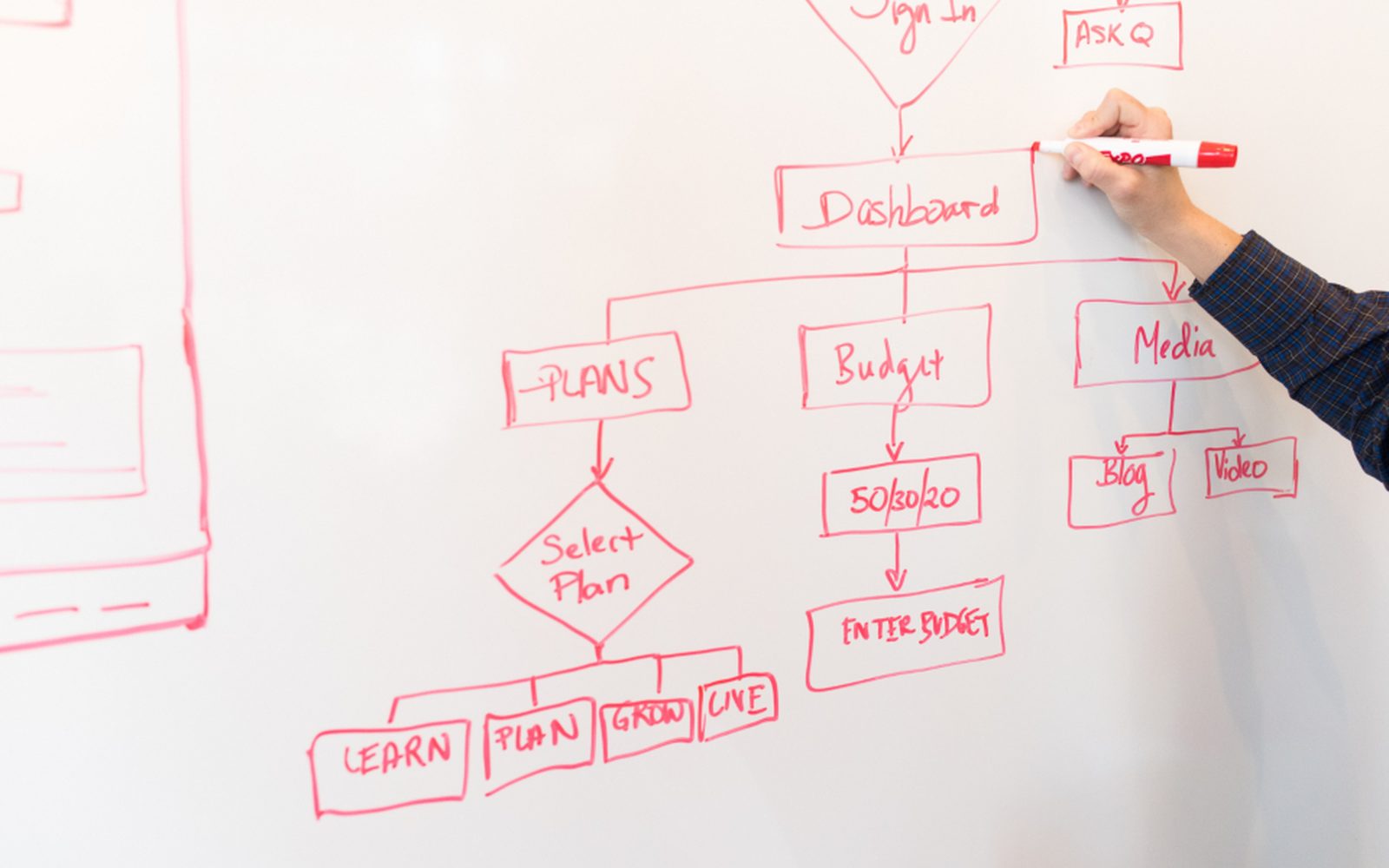
Write down how a drop gets from sample to sold
A drop touches the maker, the photographer, Shopify, Klaviyo, Instagram, and the founder's notebook, and nobody has ever written the steps down. We sit with you and map how a drop goes from samples to sold, and how the shop runs week to week. Then we mark the steps that eat days. Often it's the writing between the photos and the launch, and that's where an AI helper starts.
Get your AI Starter Plan
What we map in a small fashion business
Sample to live
Spec sheets, photos, product pages, and the launch email, with the days each step takes in a real drop.
Launch week
Emails, captions, DMs, and the questions about sizing that land the day a drop goes live.
After the sale
Packing, exchanges, returns, and faulty items, and who handles each one.
Buying and reorders
How you decide what to make again, from the numbers and from the founder's eye.
Where the days hide
Ask a small label how long a drop takes and you’ll hear about the making. Ask where the time went after the samples arrived and the answer is fuzzier. Spec sheets came from the maker. Photos were shot over two days. Then came product pages in Shopify, size guides, the Klaviyo email, the Instagram posts, and a week of DMs. Each step lives in a different app and a different person’s memory, so it’s hard to say which one is slowing everything down.
How we map it
Mapping how you work (the industry calls it process mapping) means writing down each step of a job, who does it, which tool it happens in, and how long it really takes. For a label, we map the drop from samples to sold, then the weekly shop work of exchanges, restocks, and orders. We talk it through with you, look at how your tools are set up, and draw it in plain words. Then we mark the steps that repeat, the ones that wait on someone, and the ones that only the founder should do.
What maps showed in fashion work
We work with Marlow & Thread, a two-person slow fashion label in Melbourne. The slow step in each drop of 30 pieces was writing the product descriptions, care notes, and size guides. An AI helper now drafts them from the maker’s spec sheet, and a drop goes live in 2 days instead of 6. Fit notes still come from the founder trying each piece. We also work with a four-person fashion boutique where the slow step was a Sunday hand count, now replaced by a report from Square sales, with buying decisions still made by the owner. Different businesses, different slow steps, found the same way.
The limits of a map
A map shows today, and it won’t change anything on its own. It also needs the honest version of how you work, including the drop that went sideways. If you only describe the good weeks, the map points at the wrong job.
If you’re not sure where your drop loses its days, get your AI Starter Plan. It’s the fastest first map.
Related
Read about our Mapping how you work service, and how we help small teams in fashion.

Common questions
Why map it? It's only two of us.
How long does it take?
Do we keep the map?
What does it cost?
Will it tell us to automate the creative parts?
Start with a map of your drop
Talk us through how your last drop went from samples to sold. Get your AI Starter Plan and you'll see where the days went.
Get your AI Starter Plan