

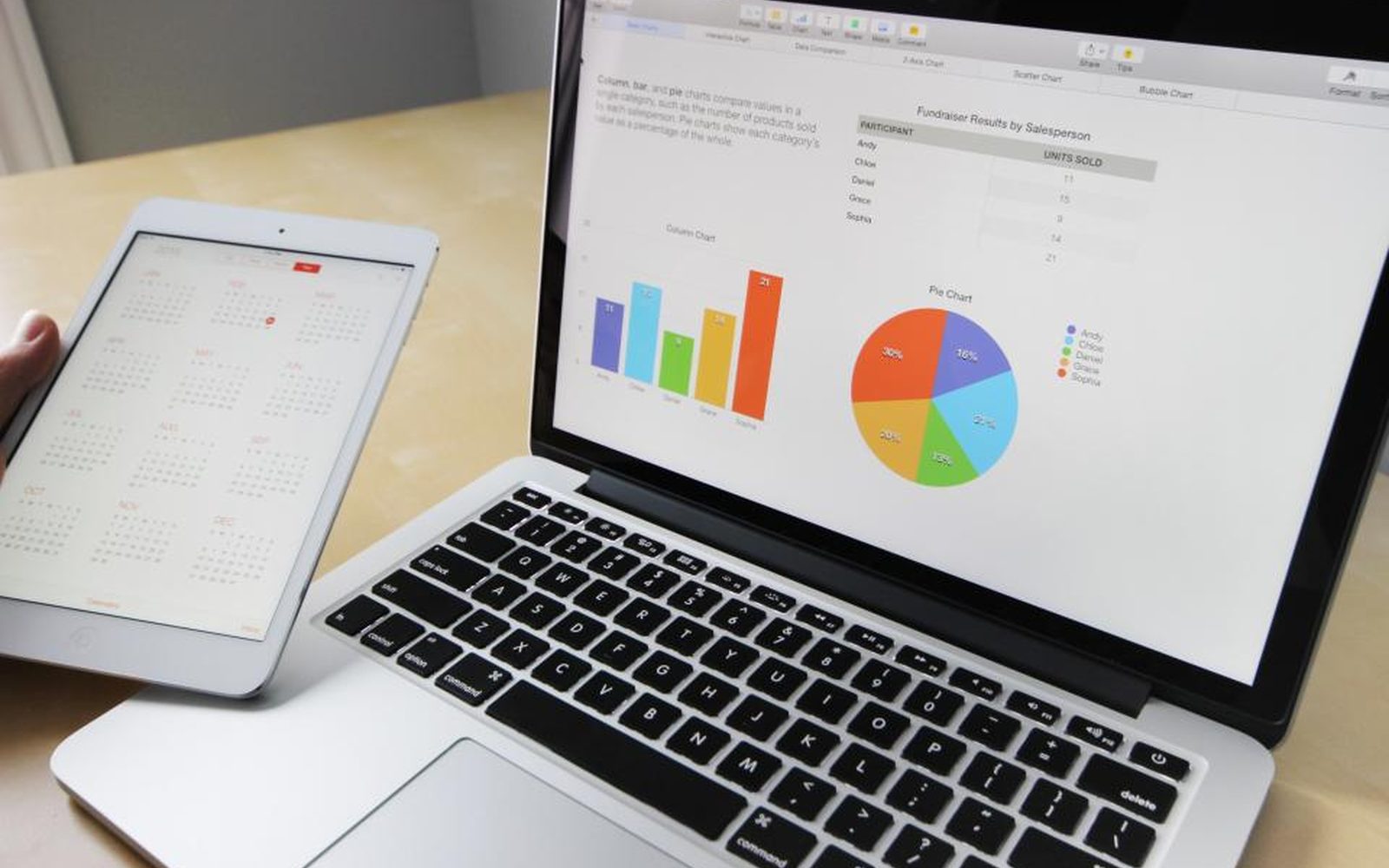
Monday numbers for your store, written in plain words
Shopify, Klaviyo, and Xero each have a dashboard, and none of them tells you how the week went in one place. We set up a weekly report that pulls the numbers from each, lists what sold, what each email earned, what's running low, and what customers complained about, then writes a short summary in plain words. You read it with your Monday coffee and decide what to do. The decisions stay with you.
Get your AI Starter Plan
Reports a small store can stop building
Weekly sales summary
Sales by product and channel from Shopify, with the week compared to the last four in plain words.
Email results
What each Klaviyo or Mailchimp campaign earned, and which ones you'd send again.
Stock to watch
Products selling faster than you can restock, and ones that haven't moved in a month.
What customers said
Common themes from the week's emails and reviews, like a damaged-parcel run or a question your product page doesn't answer.
How a store owner checks the week
On Monday, a small store owner opens four tabs. Shopify for sales. Klaviyo for last week’s email. Xero for the bank balance. Gmail for the complaints. They flick between them, try to remember last week’s numbers, and come away with a feeling rather than a picture. Most weeks, there’s no time to do it properly at all.
How the report gets made
A report that writes itself (the industry calls it automated reporting) pulls your numbers from where they already live and drafts the words around them. For an online store, we read sales from Shopify, campaign results from Klaviyo, and the money side from Xero. We also have an AI helper read the week’s customer emails for common themes. The report lands on Monday morning as a short summary on top, with the detail below for when you want it.
What our store clients’ inboxes add
We work with a three-person online skincare store where an AI helper drafts replies to order emails from Shopify. The founder now clears them in about twenty minutes each morning, and returns still go through by hand. Once an AI helper reads every customer email, the weekly report can count what customers asked about, which is often the first sign a courier is slow or a product page is missing something.
What the report can’t see
The report counts what’s recorded. A sale made at a market stall and never entered won’t show up. It also can’t see outside your store, so a slow week caused by a public holiday or a competitor’s sale needs your eye. And it won’t act on what it finds. That’s your call each Monday.
If your Monday starts with four tabs and a guess, get your AI Starter Plan and tell it which numbers you check.
Related
Read about our Reports that write themselves service, and how we help small teams in e-commerce.
Small teams we work with

How a four-person fashion boutique replaced its Sunday stocktake with a report from Square

How a community food relief charity cut its quarterly grant report from a week to about a day

How a four-person social media agency cut 18 monthly client reports from two days to half a day
Common questions
Isn't Shopify's dashboard enough?
Can it tell me why sales dropped?
How is it delivered?
What does it cost?
What won't it do?
Get one report for your whole store
Tell us which numbers you check every week and where they live. Get your AI Starter Plan and you'll see how to have them written up for you.
Get your AI Starter Plan